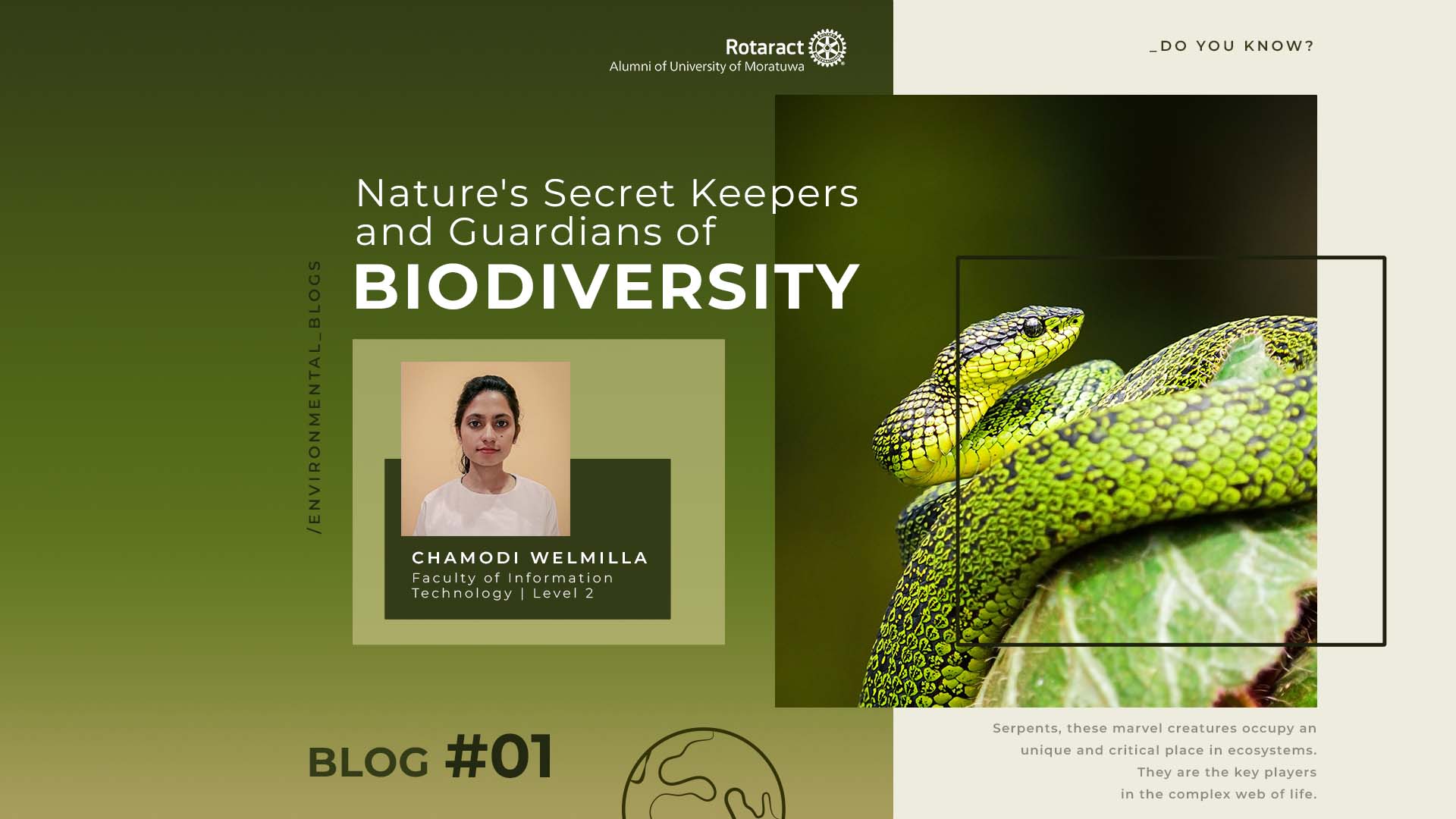
Serpents, commonly referred to as snakes, have long captured the human imagination. These limbless reptilian creatures, often shrouded in fear and surrounded by misconceptions, play a vital role in our planet’s biodiversity and ecosystems.

They are the key players in the complex web of life, contributing significantly to the balance of natural systems. One of the most important roles is as a predator that helps regulate prey populations and control insects.
On the other hand, snakes affect the population dynamics of other species higher up the food chain. Their consumption of bird eggs results in a reduction in avian numbers. This impacts the population of their own predators such as hawks and eagles. Thus, snakes contribute to the complex balance of nature by regulating both prey and predator populations.
In agriculture, snakes serve as natural pest-controllers. They play a crucial role in keeping rodent populations in check, which is essential for protecting crops from damage. Snakes also contribute to controlling insects, ensuring the well-being of gardens and farmlands without relying on harmful chemicals.
Apart from their importance in nature, vipers, also known as snakes, have special value in culture, science, and medicine that should be recognized. In culture, snakes have played a significant role in the myths and stories of various societies throughout history. They have symbolized both positive and negative qualities, often depending on the culture and how people interpret them. For example, in Hindu mythology, the serpent god Shesha is considered a protector of the universe, while in the Bible, serpents are often linked to temptation and evil. These cultural references demonstrate the diverse and intricate ways in which snakes are viewed by different people.
In the world of science, vipers, or snakes, have been a source of fascination for many years. Their unique abilities, like having venom and adapting to different environments, have intrigued scientists. One area of special interest is the study of snake venom, which has led to the development of life-saving treatments for people bitten by snakes. Additionally, some snake venom contains substances that might be useful for medical treatments. For example, scientists have experimented with the venom of the Malayan pit viper to see if it could help with heart problems and high blood pressure. Even though more research is essential, these discoveries depict that snake venom could have valuable uses in modern medicine.
Conservation plays a crucial role in safeguarding snake populations. Habitat destruction, including forests and wetlands, poses a significant threat to many snake species. Supporting conservation efforts, such as reforestation and habitat preservation, is essential.
Additionally, educating oneself and others about local snake species and their behaviors is vital. This knowledge promotes coexistence with snakes and reduces potential conflicts. Dispelling myths and misconceptions about snakes through education fosters a deeper appreciation for these creatures.
Conservation organizations can conduct research, advocate for preservation policies, and raise awareness about the importance of snake conservation. Supporting these organizations is a professional way to contribute to snake protection.

While serpents are essential to our ecosystems, it’s important to know how to protect yourself when you encounter them. Understanding some basics about their behavior and necessary precautions can help us peacefully share the same spaces.
Always remember to keep a safe distance from the snake. Most snakes will not attack unless provoked or cornered. Remember to give them their personal space and respect their instincts.
Always be mindful not to try to handle or provoke a snake, which can cause a bite, even non-venomous species, as this can pose a threat to the snake.
Serpents, frequently the subjects of fear and misconception, play a crucial role in maintaining the health and equilibrium of our ecosystems. Recognizing their importance and trying to protect them helps keep these amazing creatures around. At the same time, understanding how to protect ourselves when encountering serpents is important for peaceful coexistence.
Snakes have been part of our world for millions of years, and it reminds us of the responsibility to ensure they continue to thrive in the face of habitat failure and other threats. Through education, conservation efforts, and responsible land management, we can coexist with these slithering companions in nature and appreciate the value they bring to the nature.
By protecting snakes, we contribute to the preservation of the complex web of life on Earth. This ensures a bright future for mankind as well as these fascinating creatures that have inhabited our planet for countless years. By doing so, we ensure that future generations have the privilege of sharing the planet with these unique and ecologically important reptiles.
Chamodi Welmilla
Faculty of Information Technology | Level 2